
About Us
Science Cheerleaders, Inc. is a 501(c)(3) non-profit organization comprised of more than 300 current and former NFL, NBA, and college cheerleaders pursuing STEM careers.
Our Mission
Our mission is to inspire, engage, and empower girls to pursue their dreams in STEM. Through our national network Science Cheerleaders, we playfully challenge stereotypes with the goal of inspiring girls to see the possibilities that are available to them in STEM careers. Our Science Cheerleaders leverage girls’ interests in fun and familiar activities, primarily cheerleading (and dance), by leading science-themed cheers and hands-on STEM learning opportunities to diffuse the intimidation and increase the approachability of STEM.
What We Do
- Playfully challenge stereotypes about scientists, engineers and cheerleaders
- Inspire, engage, and empower young women (including 4+ million U.S. cheerleaders) to consider careers in STEM
- Engage people from all walks of life in science by encouraging participation in citizen science activities
The Science Cheerleaders demonstrate, through hands-on outreach and citizen science activities, that anyone can be a scientist, regardless of their background. We empower other cheerleaders by reminding them that the same qualities that make them great cheerleaders—time management skills, teamwork, work ethic, persistence, public speaking, and positivity – will make them outstanding scientists, engineers, and STEM communicators. We also engage the public at large in citizen science to show that people do not need to have formal education in science to contribute to science research or policy.
Donate Today!
Download our Press Kit
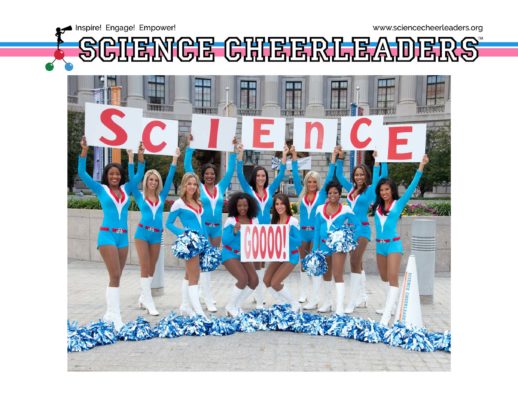
We achieve our mission by recasting the image of scientists and engineers while giving people the opportunity to explore their personal interests as a gateway to science. We communicate in ways that inspire people using our very real, very personal stories. By parlaying enthusiasm for the wildly popular sport of cheerleading, we create analogies and break down the intimidation surrounding STEM, dispel stereotypes, create a secure environment to learn, help kids take calculated risks and build confidence, encourage continued participation in STEM exploration and cheerleading, and help lay the foundation of girls’ life-long interest and pursuit of STEM.
Check out our FAQs to learn more about what we do!
Our National and Regional Coordinators are the backbone of our organization.
Darlene Cavalier, Founder
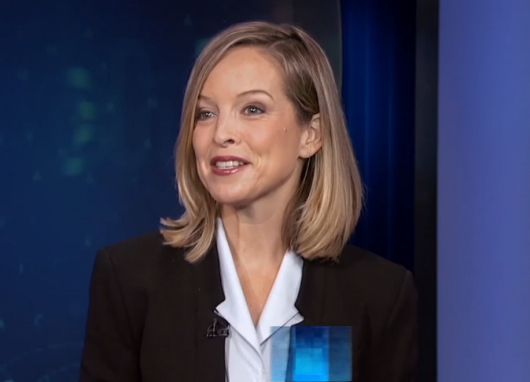
Darlene Cavalier is a professor of practice at Arizona State University’s School for the Future of Innovation in Society. Professor Cavalier is the founder of SciStarter (a popular citizen science portal and research platform connecting millions of people to real science they can do), founder of Science Cheerleaders, Inc. (a non profit organization comprised of current and former NFL, NBA and college cheerleaders pursuing STEM careers), and cofounder of ECAST: Expert and Citizen Assessment of Science and Technology. She is a founding board member of the Citizen Science Association, an advisor and Fellow at National Geographic, a member of the EPA’s National Advisory Council for Environmental Policy and Technology and she was recently appointed to the National Academy of Sciences “Designing Citizen Science to Support Science Learning” committee. She is the co-editor of “The Rightful Place of Science: Citizen Science,” author of “The Science of Cheerleading,” and co-author of the Field Guide to Citizen Science (Timber Press).
Read more about Darlene’s path to creating the Science Cheerleaders in her interview here!
Directors
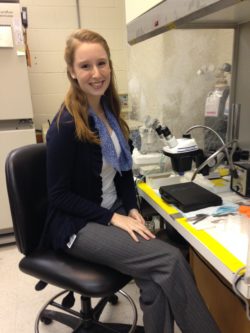
Dr. Hilary – Director of Recruitment,
Cancer Scientist
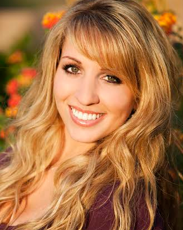
Samantha – Director of Operations
Engineering Project Manager
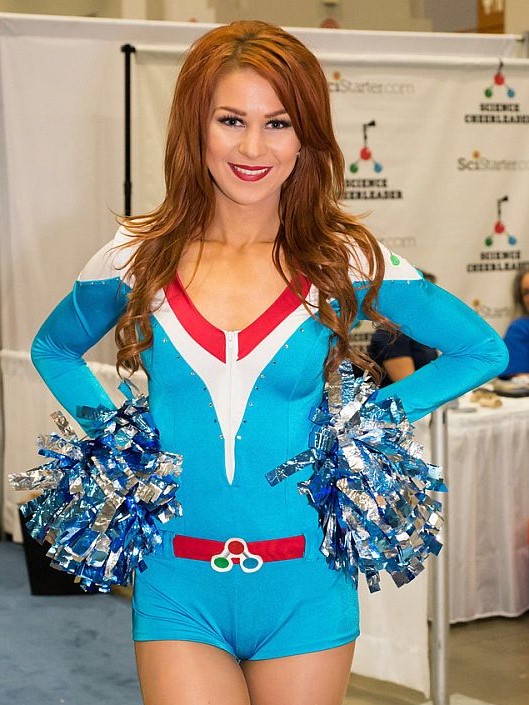
Dr. Wendy – Director of Outreach,
Cartilage Engineer; Director of Regulatory & Clinical Affairs and Co-Founder, Cartilage, Inc.
Operations Team
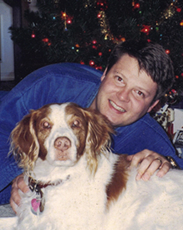
Mark – Director of Foundation and Government Grants; SciCheer Space Guy,
Network Director for NASA’s Human Spaceflight Communications and Tracking Network (Retired)
Why do we need the Science Cheerleaders?
Scientific innovations have produced roughly half of all economic growth in the last 50 years. We do not have enough people in the pipeline to supply a science and technology workforce capable of meeting the global, scientific challenges we will face in this century. The U.S. needs to find non-traditional approaches to tap new sources of talent. The Science Cheerleaders have demonstrated an ability to connect to groups that are traditionally underrepresented in science and technology fields, and, thus, have the potential to broaden the educational and workforce funnel.
A recent study by the Bayer Foundation found that more than three-quarters of female and minority scientists and engineers polled say that significant numbers of women and under-represented minorities are missing from the U.S. STEM workforce today because they were not identified, encouraged, or nurtured to pursue STEM studies early on. Key recommendations of the Bayer study included: “provide mentors and role models;” and to share the message: “don’t let anyone tell you that you can’t [be a scientist].” By tapping into girls’ personal interests, namely, cheerleading, and building confidence in them by sharing real, personal stories of dealing with stereotypes while excelling in STEM careers, the Science Cheerleaders are poised to effectively steer the millions U.S. cheerleaders towards science!
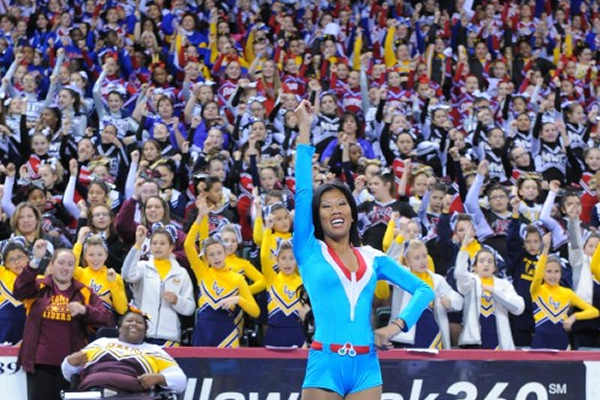
In the U.S., over 4 million children participated in cheerleading in 2016, almost half of whom come from marginalized or underprivileged backgrounds. It is estimated that 42% of all cheerleading participants reside in the south, an area that also encompasses some of the highest poverty rates in the country. It is clear that cheerleading is a ubiquitous and inclusive team sport that crosses physical, socioeconomic, and cultural boundaries. The existence of organizations, such as Black Girls Cheer and ParaCheer International, highlight the diversity celebrated in cheerleading. We believe that cheerleading offers a unique access point to bring STEM outreach activities to these communities.
The Science Cheerleaders are no exception to the diversity of the overall cheerleading community: we value diversity and come from a range of geographic and socioeconomic stations. We believe that mentorship is crucial to the success of young women; we strive to impart our wisdom and experiences and act as role models, particularly for underprivileged groups, in our communities. By using the inherent diversity of the Science Cheerleaders and cheerleading community, we encourage youth, remove obstacles to their independence and confidence, and can greatly increase STEM equity. This may ultimately contribute to increased awareness of/access to STEM-related job that previously may not have been seen as achievable by members of these communities.